
Natural Gas Services
Safe, Professional Gas Line Installation and Repair
Expert Natural Gas Solutions for Your Home
LuckyDay Plumbing & Pipelining provides comprehensive natural gas services throughout St. Petersburg, Tampa, and Clearwater. Our licensed technicians safely install new gas lines, repair existing systems, detect dangerous leaks, and respond immediately to gas emergencies. We follow all local codes and safety protocols to protect your family and property.
Our Natural Gas Services
Complete Gas Line Solutions
Gas Line Installation
Installing new gas lines for water heaters, furnaces, stoves, ranges, dryers, outdoor grills, pool heaters, and generators. We ensure proper sizing, materials, and code-compliant installation.
Gas Line Repair
Repairing damaged, corroded, or leaking gas lines. We use approved materials and techniques to restore safe, reliable gas service to your appliances.
Gas Leak Detection
Using specialized electronic detection equipment to locate gas leaks quickly and accurately—even those too small to smell but still dangerous.
Emergency Gas Services
24/7 emergency response for gas leaks, suspected leaks, and gas-related emergencies. When safety is on the line, we respond immediately.
Gas Line Replacement
Replacing old, corroded, or outdated gas lines with modern, durable materials that meet current safety standards.
Gas Appliance Hookups
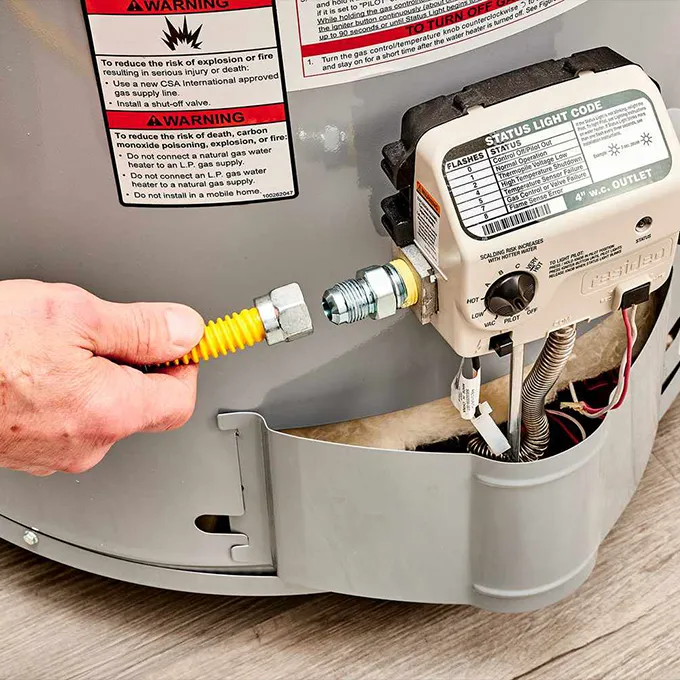
Connecting gas water heaters, ranges, dryers, fireplaces, and other appliances to your gas system safely and correctly.
Gas Line Inspections
Comprehensive safety inspections of your gas lines, connections, and appliances to identify potential hazards before they become emergencies.
Gas Line Pressure Testing
Testing your gas system to ensure proper pressure, no leaks, and safe operation of all connected appliances.
Gas Line Extensions
Extending existing gas lines to new locations for remodels, additions, or new appliance installations.
Gas Shut-Off Valve Installation
Installing or replacing gas shut-off valves for safety and convenient appliance maintenance.
Signs of Gas Line Problems
Warning Signs Requiring Immediate Attention
Smell of Gas (Rotten Egg Odor)
Natural gas is odorless, but utility companies add a distinctive sulfur smell for safety. If you smell gas, evacuate immediately and call for help from outside.
Hissing or Whistling Sounds
Unusual sounds near gas lines, appliances, or your gas meter indicate gas escaping—a serious emergency.
Dead or Dying Vegetation
Patches of dead grass, plants, or trees near underground gas lines can indicate a leak killing vegetation.
Physical Symptoms
Dizziness, nausea, headaches, fatigue, or breathing difficulties can result from gas exposure. If multiple family members experience these symptoms, evacuate and seek medical attention.
Visible Damage
Corroded pipes, damaged connections, or physical damage to gas lines from construction or landscaping require immediate professional inspection.
Pilot Lights Won’t Stay Lit
Frequently extinguished pilot lights on water heaters or furnaces may indicate gas flow problems or leaks.
Higher Gas Bills
Unexplained increases in gas usage often signal leaks wasting gas and money.
Appliance Performance Issues
Yellow or orange flames instead of blue, sooting, or poor appliance performance can indicate gas supply problems.
Gas Line Safety
If You Smell Gas:
- Evacuate immediately – Get everyone out of the building
- Don’t use electrical switches, phones, or devices – Sparks can ignite gas
- Don’t try to locate the leak yourselfCall 911 and your gas company from outside and a safe distance away
- Call LuckyDay Plumbing & Pipelining for emergency gas line repair once the area is safe
Never Ignore Gas Odors
Even a faint gas smell requires immediate action. Gas leaks can lead to explosions, fires, and carbon monoxide poisoning.
Carbon Monoxide Danger
Improperly burning gas appliances produce deadly carbon monoxide—an odorless, colorless gas. Install CO detectors and have gas appliances inspected annually.
DIY Gas Work is Illegal and Dangerous
Florida law requires licensed professionals for gas line work. DIY gas installations or repairs risk explosions, fires, carbon monoxide poisoning, and voiding insurance.
Know Your Shut-Off Valve
Locate your main gas shut-off valve and ensure all household members know how to turn it off in emergencies.